Why Natural-Looking Results Matter in Modern Medical Aesthetics
Why subtle, natural-looking outcomes have become an important focus within modern aesthetic practice, and how personalised treatment planning can help preserve individual features.
In this article
- Changing preferences in aesthetic treatment
- What natural-looking results really mean
- Why subtle results require careful planning
- Preserving individual identity
- Why treatment planning matters
- Our nurse-led approach to natural-looking results
- The role of skin quality
- Why less is more
- Our philosophy
- The bottom line
- Sources
Patient preferences within aesthetics are varied, but many people now tell us they are looking for subtle improvements that preserve their individual features.
At Perfectus Derma Aesthetics, a nurse-led medical aesthetics clinic in London on Charing Cross Road, that is the approach our consultations are built around.
For many of our patients, the aim is to feel refreshed while still looking recognisably like themselves.
Changing preferences in aesthetic treatment
Many patients now tell us they are seeking treatments that preserve their individual features and fit naturally with the way they already look.
People are asking better questions:
- “Will I still look like myself?”
- “Will people notice I’ve had treatment?”
- “How will this age?”
Those are exactly the right questions to bring to a consultation.
What natural-looking results really mean
For us, natural-looking aesthetics is about choosing treatments carefully, using them conservatively and ensuring each recommendation is appropriate for the individual.
In practice, that means:
- Respecting existing facial features
- Prioritising skin quality where appropriate
- Conservative structural treatment where indicated
- Long-term treatment planning rather than trend-led decisions
Why subtle results require careful planning
Achieving subtle outcomes requires careful assessment, appropriate technique selection and a good understanding of facial anatomy.
Good treatment planning includes knowing when intervention may be beneficial, when a conservative approach is more appropriate, and when no treatment is needed at all. That last one matters as much as the others.
Preserving individual identity
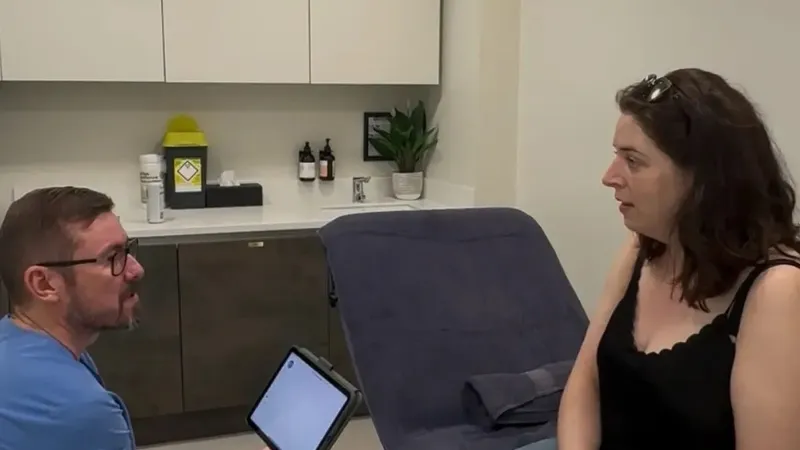
Many patients tell us that retaining their natural expressions and recognisable features is important to them. During consultation, we discuss what they hope to achieve and make sure expectations are realistic before recommending any treatment.
The NHS makes a similar point in its patient guidance: take your time, ask questions, and be clear about what you are hoping for before committing to a cosmetic procedure. You can read its advice on whether a cosmetic procedure is right for you.
Why treatment planning matters
Aesthetic treatment should be based on individual assessment rather than trends or a predefined treatment menu. Good planning considers the patient’s anatomy, skin, medical history, concerns, expectations and how different treatments may interact over time.
We also see patients who would like previous aesthetic treatment reviewed or adjusted, which reinforces the importance of careful assessment and long-term planning.
Our nurse-led approach to natural-looking results
At Perfectus Derma, our treatment plans are designed with subtle, proportionate outcomes in mind.
Our clinical team of Aesthetic Nurse Practitioners uses comprehensive assessment and personalised treatment planning to guide recommendations. Our methodology includes:
- Comprehensive facial assessment
- Personalised treatment strategies
- Conservative, layered treatment where indicated
- Respect for anatomy and individual ageing patterns
This approach allows treatment decisions to be considered in the context of the patient’s existing features and longer-term treatment goals.
The role of skin quality
One of the least discussed parts of a natural-looking outcome is skin quality.
For some patients, addressing skin quality may reduce the need or desire for more extensive structural treatment. That is why skin treatments, skin-focused injectable options and a personalised skincare regime are often where a plan starts rather than where it ends.
Skin quality can form an important part of a balanced aesthetic treatment plan.
Why less is more
Many patients seeking aesthetic treatment prefer subtle changes rather than dramatic transformation. In our consultations, what they tend to value is:
- Subtle change rather than obvious change
- Long-term facial planning
- A clinician who will say when treatment is not appropriate
Our philosophy
Our aim is not to change a patient’s identity, but to work with their existing features and treatment goals.
We believe in supporting the features and skin concerns that matter to each individual patient, and in helping patients achieve subtle changes that remain consistent with how they want to look.
Our recommendations are individual rather than trend-led or based on standard treatment templates.
The bottom line
For patients who prefer subtle aesthetic treatment, natural-looking outcomes depend on careful assessment, realistic expectations and an individualised treatment plan.
Individual results vary, and what is achievable for you is something to discuss in person rather than to assume from an article.
Sources
- NHS: is a cosmetic procedure right for me?
- NHS: before you have a cosmetic procedure
- ASA/CAP: non-surgical cosmetic procedures
- ASA/CAP: substantiation for health, beauty and slimming claims
Frequently asked questions
What does natural-looking aesthetics mean?
For us, natural-looking aesthetics is about choosing treatments carefully, using them conservatively and ensuring each recommendation is appropriate for the individual. That means respecting existing facial features, prioritising skin quality where appropriate, and planning for the long term rather than following trends.
Why do subtle results require careful planning?
Achieving subtle outcomes requires careful assessment, appropriate technique selection and a good understanding of facial anatomy. Good treatment planning includes knowing when intervention may be beneficial, when a conservative approach is more appropriate, and when no treatment is needed at all.
How does skin quality fit into a treatment plan?
Skin quality can form an important part of a balanced aesthetic treatment plan. For some patients, addressing skin quality may reduce the need or desire for more extensive structural treatment, which is why skincare and skin-focused treatments are often discussed before anything else.
What does a nurse-led approach involve at Perfectus Derma?
Our clinical team of Aesthetic Nurse Practitioners uses comprehensive assessment and personalised treatment planning to guide recommendations. Treatment decisions are considered in the context of your existing features, medical history and longer-term goals rather than a standard treatment menu.