Polynucleotides vs Skin Boosters: Which Is Right for Your Skin?
Polynucleotides and skin boosters are both injectable treatments used within skin-quality treatment plans, and they differ in composition, proposed mechanism and the concerns they may be selected for.
In this article
The short answer
Polynucleotides and skin boosters get grouped together, and it is easy to see why. Both are injected. Both are used as skin-quality treatments rather than primarily for creating facial volume or contour. Both can form part of the skin-quality treatment plans we offer at Perfectus Derma.
They are not the same treatment.
Polynucleotide treatments contain purified DNA-derived fragments and are used in aesthetic practice with the aim of supporting skin quality.
Skin boosters are a broad category of injectable treatments used primarily to support skin hydration and skin quality, with formulations that vary between products.
The main differences are their composition and proposed mechanisms of action, which is why treatment selection depends on the individual skin concern and clinical assessment.
Side by side
| Polynucleotides | Skin Boosters | |
|---|---|---|
| Treatment type and composition | Injectable treatments containing purified DNA-derived fragments | A broad category of injectable treatments; formulations vary, many containing hyaluronic acid alongside other ingredients |
| Main action | Used with the aim of supporting skin quality | Used primarily to support skin hydration and overall skin quality |
| May be considered for | Overall skin quality, and delicate areas such as the under-eye region | Where hydration and overall skin quality are the key concerns |
| Adds volume? | Not primarily intended for facial volume | Not primarily intended for facial volume |
| Typical course | Varies according to the product, skin concern and individual treatment plan | Varies according to the product, skin concern and individual treatment plan |
What polynucleotides do
Polynucleotide treatments contain purified, DNA-derived fragments. They are used in aesthetic practice with the aim of supporting processes associated with skin quality and tissue conditioning. Changes develop gradually and individual responses vary.
The evidence base for this treatment category is still developing. A 2025 systematic review in the Journal of Cosmetic Dermatology examined the reported effects of polynucleotides in aesthetic medicine, and a 2025 review in Biomolecules set out how the terminology and definitions in this area are used, which is worth knowing about because product descriptions in the sector are not always consistent. Both are listed under Sources below.
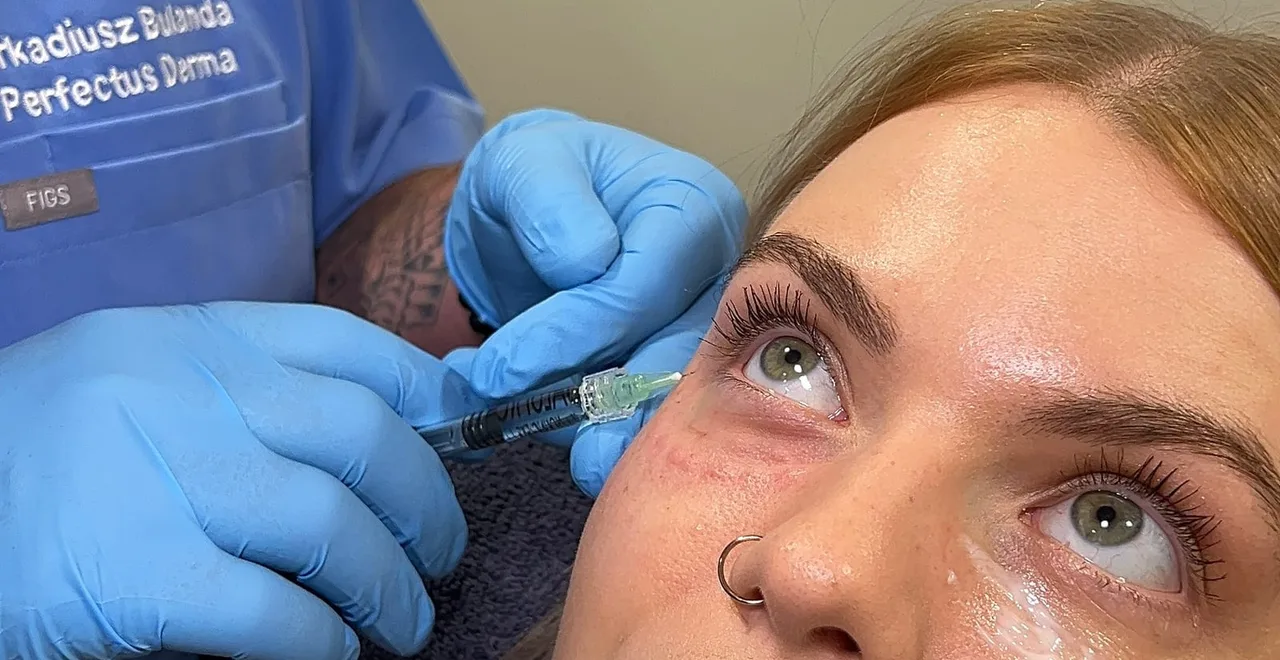
The delicate under-eye area is one of the areas where polynucleotide treatment may be considered following assessment. The skin there is thin and creases early, and it is an area where treatments aimed at skin quality are often discussed. We also treat the face, neck and hands.
What skin boosters do
Skin boosters are a broad category of injectable treatments used primarily to support skin hydration and skin quality. Many are based on hyaluronic acid, which holds water in the skin, and formulations vary, with some combining it with other ingredients such as amino acids or antioxidants.
We offer a range of skin booster treatments, allowing the treatment plan to be selected according to the patient’s skin, treatment area, concerns and goals.
Because “skin booster” covers products with different formulations and proposed mechanisms, it is not a category where a single expected outcome applies across the board. What is reasonable to expect is discussed against the specific product proposed for you.
When might each treatment be considered?
- Polynucleotides may be considered where the focus is overall skin quality or delicate areas such as the under-eye region.
- Skin boosters may be considered where hydration and overall skin quality are the key concerns.
The most appropriate option depends on your skin, treatment area, medical history, concerns and goals, and is discussed during consultation.
For some patients, different skin-quality treatments may be incorporated into a treatment plan over time where clinically appropriate. For others, a single treatment approach may be more suitable.
Neither one is a dermal filler
This is the point worth underlining. Neither treatment is primarily intended to replace facial volume in the same way as dermal filler. Where volume loss is a concern, this can be assessed separately during consultation and the appropriate treatment options discussed.
Understanding that distinction makes the choice a great deal clearer.
It starts with a consultation
Every skin is different, so the right treatment is not something to decide from a price list. At our Soho clinic we begin with a face-to-face consultation, with advanced facial and skin analysis where appropriate, to assess your skin, discuss your concerns and goals, and develop an individual treatment plan where appropriate.
Sometimes that is a polynucleotide treatment. Sometimes it is a skin booster. Sometimes a considered combination is recommended over time, and sometimes it is not needed at all. Current prices for each treatment are listed on its own treatment page.
Sources
- Lampridou S, Bassett S, Cavallini M, Christopoulos G. The Effectiveness of Polynucleotides in Esthetic Medicine: A Systematic Review. Journal of Cosmetic Dermatology, February 2025.
- Marques C, Porcello A, Cerrano M, Hadjab F et al. From Polydeoxyribonucleotides (PDRNs) to Polynucleotides (PNs): Bridging the Gap Between Scientific Definitions, Molecular Insights, and Clinical Applications of Multifunctional Biomolecules. Biomolecules, January 2025.
- Ghatge AS, Ghatge SB. The Effectiveness of Injectable Hyaluronic Acid in the Improvement of the Facial Skin Quality: A Systematic Review. Clinical, Cosmetic and Investigational Dermatology, 2023.
- ASA/CAP: non-surgical cosmetic procedures
- ASA/CAP: substantiation for health, beauty and slimming claims
- NHS: before you have a cosmetic procedure
Frequently asked questions
What is the difference between polynucleotides and skin boosters?
Both are injectable treatments used with the aim of supporting skin quality, but they differ in composition and proposed mechanism. Polynucleotide treatments contain purified DNA-derived fragments. Skin booster is a broader term, with formulations varying and many containing hyaluronic acid alongside other ingredients. Neither is primarily intended to add facial volume.
Which treatment may be considered for under-eye skin?
The delicate under-eye area is one of the areas where polynucleotide treatment may be considered following appropriate assessment. Skin boosters formulated for the eye area may also be considered. Which is suitable depends on your skin, medical history, concerns and goals, and is discussed at consultation.
How many sessions will I need?
Treatment course varies according to the product, the concern being addressed and your individual treatment plan, so it is not something to fix in advance from an article. Suitability, the number of sessions and what can reasonably be expected are all determined following a face-to-face clinical assessment.
Can polynucleotides and skin boosters be used together?
For some patients, different skin-quality treatments may be incorporated into a treatment plan over time where clinically appropriate. For others, a single treatment approach may be more suitable. We would decide the order and timing at your consultation rather than assuming a combination is needed.