Polynucleotides
Regenerative polynucleotide injections in Soho, carried out by experienced Aesthetic Nurse Practitioners to improve skin quality, hydration and elasticity across the face, under-eye area, neck and hands.

The short answer
What are polynucleotides?
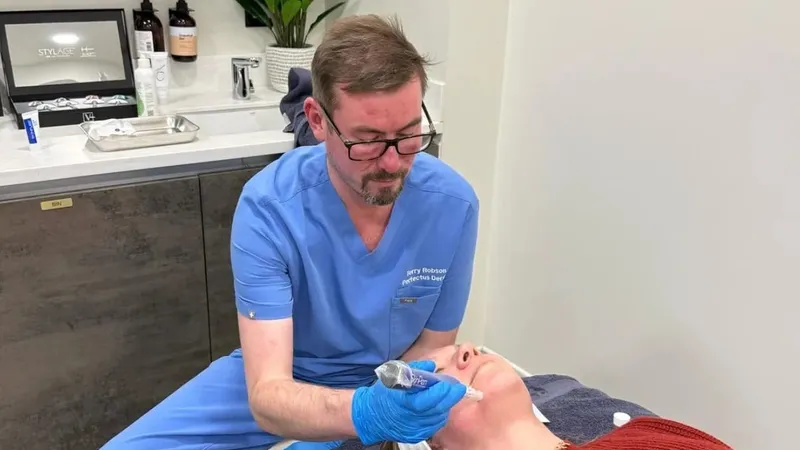
Polynucleotides are regenerative injectable treatments that encourage your skin to renew itself naturally. Rather than adding volume, they work by improving skin quality, hydration and elasticity over time.
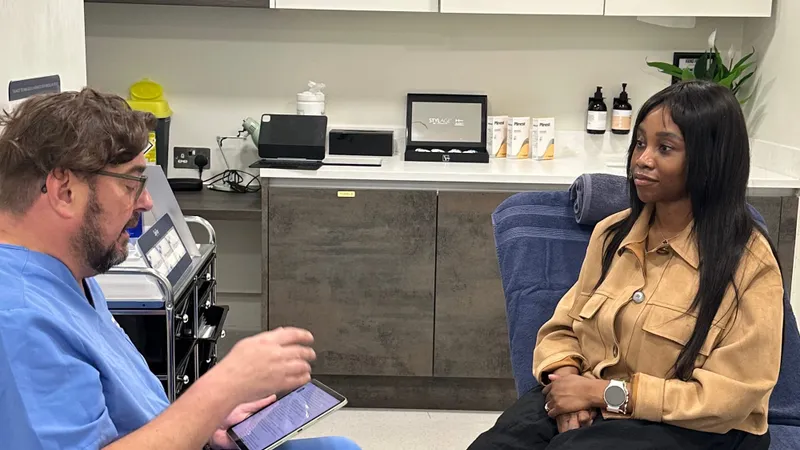
They do this by supporting the proteins that keep skin firm and supple. The effect is gradual and cumulative, which is why polynucleotides suit tired, crepey or dehydrated skin and are especially valued for the delicate under-eye area. Every treatment is planned and carried out by an Aesthetic Nurse Practitioner following a face-to-face consultation.
What to expect during and after your session
- Treatment time60 minutes
- CourseUsually 3 sessions
- First visible improvementsGradually over several weeks
- DowntimeMinimal
- Numbing creamApplied for comfort
- MaintenanceUsually every 6 to 12 months
- Compatible withExosome therapy

Why Perfectus Derma
Polynucleotides for skin quality and hydration
- Encourage your skin to renew itself rather than adding volume
- Improve hydration, elasticity and overall skin quality
- A trusted option for the delicate under-eye area
- Purified polynucleotides sourced from authorised UK pharmacies
- Administered by Aesthetic Nurse Practitioners after a face-to-face consultation
- Results build gradually and naturally over a short course
What can be treated?
Suitable for treating concerns where skin quality, texture and resilience matter more than added volume. Common treatment areas are listed below.
- Fine lines & wrinkles
- Acne scarring
- Redness-prone skin
- Pigmentation
- Dark circles & under-eye crepiness
- Dull, dehydrated skin
- Stretch marks
Treatment areas
Face
Neck & body
Patient journey
What to expect from polynucleotides
Consultation & preparation
Avoid ibuprofen, aspirin, fish oil, vitamin E and alcohol for 24 to 48 hours before treatment to reduce bruising. Come with clean skin and no make-up on the area. Tell your nurse about any fish allergy or recent skin treatments at your consultation.
During treatment
Aftercare
Small lumps and redness settle within 12 to 72 hours. Avoid sweating, heavy exercise, saunas and harsh skincare for a few days so the product absorbs fully. Keep the skin clean and protected with SPF, and book any further sessions in your course as planned.
Real results
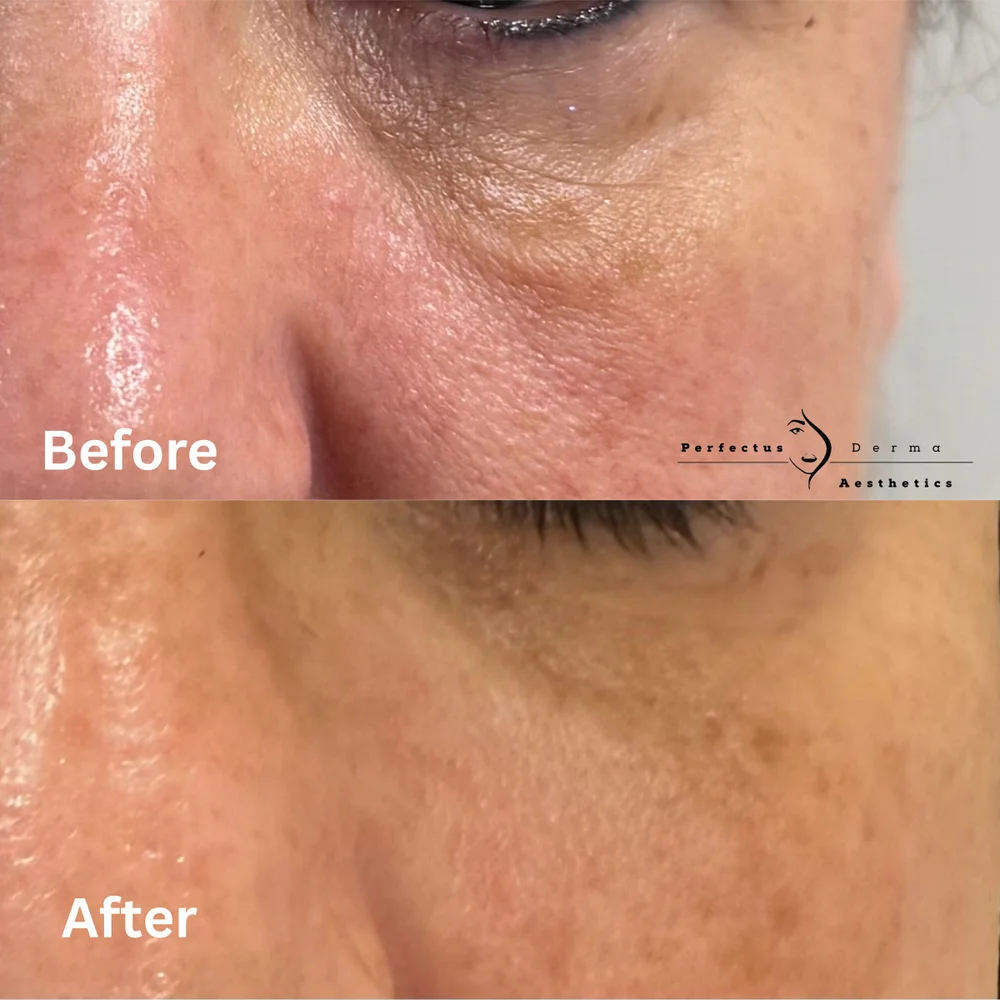
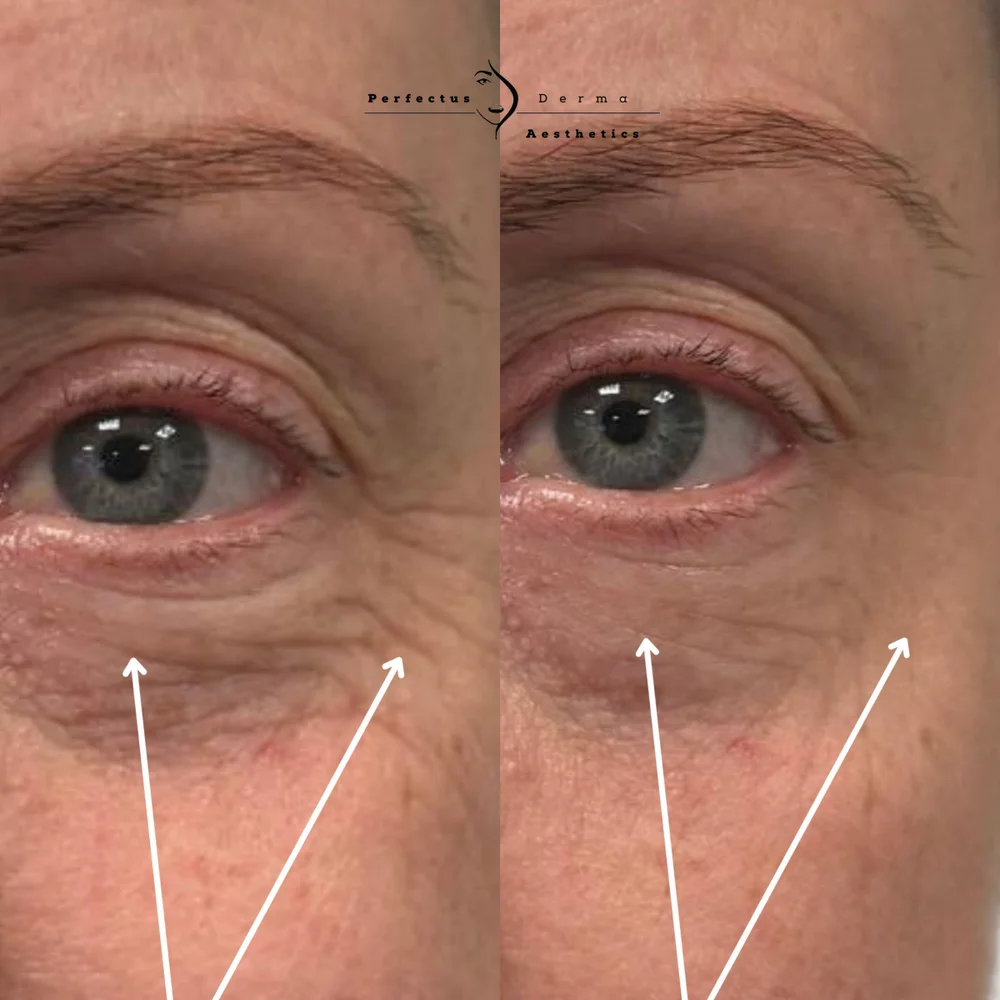
Results are individual and not guaranteed. Patient photography shown is the clinic's own published work, shared with consent.
Polynucleotide prices in Soho
All polynucleotide appointments are 60 minutes and include your consultation, treatment and aftercare advice. Treatment recommendations are tailored to your individual concerns, and a course of treatment is usually recommended to achieve the best results.
Polynucleotides
Most patients benefit from an initial course of three treatments to achieve the best skin renewal, followed by maintenance treatment as recommended during your consultation.
Treatment fees are reviewed periodically and may change. All treatment follows a face-to-face consultation and clinical assessment, and is only provided where clinically appropriate. Individual results vary.
Boundaries of practice
What's not treated
Good practice means saying no when indicated:
- Pregnancy or breastfeeding
- Known allergy to fish or salmon-derived products
- Active skin infection or cold sore at the treatment site
- Under 18 years of age
FAQ
Polynucleotide
FAQs
Are polynucleotides the same as dermal filler?
No. Dermal filler adds volume and shape by sitting in the tissue, while polynucleotides work differently: they signal your own skin to produce more collagen and elastin and to renew itself. Filler adds structure, polynucleotides improve quality. Many people combine both, and your nurse will advise which suits your goals.
How many sessions of polynucleotides will I need?
Most patients benefit from an initial course of treatment, although the number of sessions recommended will depend on your skin quality, the treatment area and your individual goals. Your nurse confirms the plan at your consultation, and reviews it with you as your skin responds over the following weeks.
Is there any downtime after polynucleotides?
Downtime is minimal. Small lumps and some localised redness at the injection points are normal and usually settle within a day or two. Avoid sweating, heavy exercise and harsh skincare for a few days afterwards so the product absorbs fully and settles well.
What are polynucleotides made from?
Polynucleotides are purified DNA fragments derived from salmon. The products we use are selected for their suitability for the treatment area and are sourced from authorised UK pharmacies. If you have a fish allergy, tell your nurse at consultation, as this is assessed carefully before any treatment goes ahead.
How long do the results last?
Longevity depends on the treatment area, your skin quality and how your skin responds, so it varies from patient to patient. Most patients return for maintenance treatment within 6 to 12 months of completing a course. Your nurse will give you a realistic expectation for your own plan at consultation. Individual results vary.
Related Treatments
Get Started
Book a consultation
at our Soho clinic.
Perfectus Derma Aesthetics • UNTIL Soho, 111 Charing Cross Road, London WC2H 0DT
BookAppointments typically available within 1–2 weeks