Acne Scarring & Uneven Texture Treatment in Soho
Acne scarring and uneven texture treatment in Soho, London, from a nurse-led medical aesthetics clinic. SkinPen Precision microneedling, chemical peels and exosome therapy rebuild smoother skin gradually, with a plan shaped around your skin at a face-to-face consultation.

Overview
Understanding acne scarring
Acne scarring is the lasting change in skin texture, most often small pits, rolling unevenness or raised marks, left behind where deeper acne spots have healed. It happens when inflammation damages collagen in the dermis: too little collagen during healing leaves an indent, too much leaves a raised scar. Scarring is different from the flat red or brown marks that follow a breakout, which usually fade on their own over months. True scars change the way light sits on the skin, which is why they often bother people more in photographs and side lighting than in the mirror.
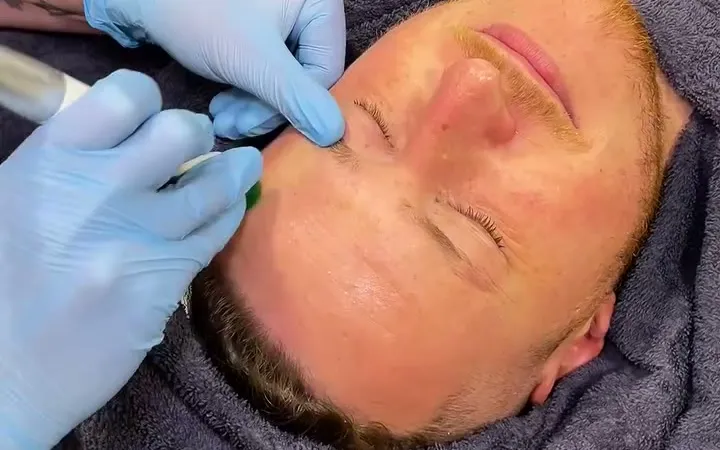
Our nurses treat acne scarring in courses, because collagen rebuilds gradually rather than overnight. SkinPen Precision microneedling is the anchor treatment, usually a course of 3 sessions, with a dedicated 10-session course for established acne scarring. Chemical peels smooth surface texture and fade lingering marks, and topical exosomes applied straight after microneedling support calm, efficient healing. One honest note before you book: active or severe acne should be settled with your GP or a dermatologist before scar treatment begins, and we will happily plan around that.
Why it happens
What causes acne scarring?
- Inflamed spots such as nodules and cysts that damage collagen deep in the skin as they heal
- Too little collagen produced during healing, which leaves pitted or rolling scars
- Too much collagen produced during healing, which leaves raised or thickened scars
- Picking or squeezing spots, which pushes inflammation deeper and widens the damage
- Acne that goes untreated for long periods, giving inflammation more time to injure the dermis
- A genetic tendency to scar, which runs in families
Treatment approach
How we treat acne scarring
Microneedling (SkinPen)
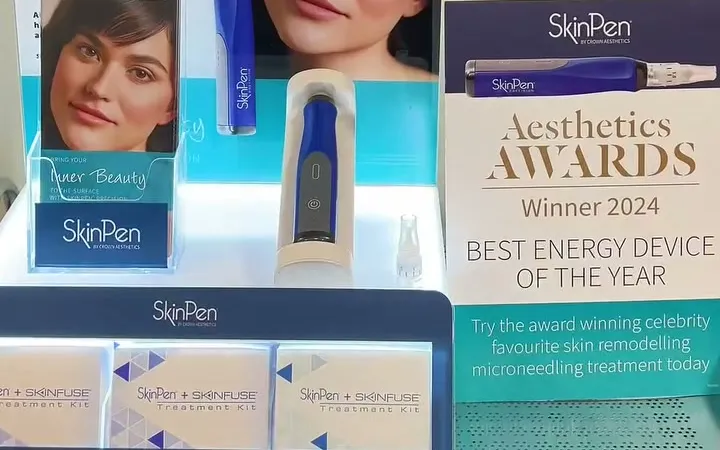
From £220SkinPen Precision microneedling is our first choice for pitted and rolling acne scars. Controlled micro-channels switch on your skin's own collagen production, softening scar edges session by session. Most patients start with a course of 3; established scarring may suit the dedicated 10-session acne scar course.
See treatment detail →Chemical Peels
From £120Nurse-applied superficial and medium peels resurface the upper layers of skin, smoothing shallow texture and fading the red and brown marks acne leaves behind. Peels are £120 per session and are matched to your skin type at consultation.
See treatment detail →Exosome Therapy
From £300 (with microneedling)Purasomes and Secretomes exosomes are applied topically straight after microneedling, while the skin's micro-channels are open. They support calm, well-supported healing between sessions. The evidence here is still emerging, and we are straightforward about that at consultation.
See treatment detail →FAQ
Common
questions
Can acne scars be removed completely?
No, and we will not promise that. What a course of treatment can honestly do is soften scar edges, smooth rolling texture and fade lingering marks, so scarring stops being the first thing you see. Most patients notice meaningful change within 3 to 6 months, and individual results vary.
I still get breakouts. Can I start scar treatment?
Not quite yet, and this is care rather than gatekeeping. If your acne is still active or severe, the right first step is your GP or a dermatologist, because treating scars over inflamed skin risks making both worse. Once your skin is settled, we will map out your scar plan together.
How many microneedling sessions will I need?
Most acne scarring plans start with a course of 3 SkinPen Precision sessions, spaced several weeks apart so collagen can rebuild between visits. Established or widespread scarring may suit our 10-session acne scar reduction course. Redness settles within 24 to 72 hours of each session, and improvement builds gradually.
Which acne scarring treatment is right for me?
That depends on your scar type, skin tone and history, which is why every plan starts with a face-to-face consultation and 3D Visage facial analysis. Our nurses assess how your scarring sits in the skin, then sequence microneedling, peels or exosomes into one clear, paced treatment plan.
Is microneedling safe for darker skin tones?
Yes, microneedling is one of the safer resurfacing choices for deeper skin tones, because it works without heat or bleaching agents. Our nurses still assess pigmentation risk carefully first, pace sessions sensibly and build in the right home care, since darker skin can mark more readily after inflammation.
Related Concerns
Get Started
Ready to begin?
Book today.
Perfectus Derma Aesthetics • 111 Charing Cross Road, London WC2H 0DT
BookAppointments typically available within 1–2 weeks