Pigmentation & Uneven Skin Tone Treatment in Soho
Pigmentation and uneven skin tone treatment in Soho, London. Our nurses fade sun spots, melasma and post-blemish marks gradually and safely, with every plan matched to your skin type at a face-to-face consultation.

Overview
Understanding pigmentation
Pigmentation is the appearance of darker patches or spots where the skin has made too much melanin, its natural pigment. It shows up in a few familiar forms: sun spots on the areas that have seen the most light, melasma, the soft symmetrical patches often triggered by hormones, and post-inflammatory marks left behind after blemishes or irritation. Sunlight drives all three, which is why pigmentation usually deepens in summer and after holidays. It is common, harmless in itself, and one of the concerns patients tell us bothers them most in photographs.
One gentle rule before anything else: a new or changing mole should be checked by your GP promptly, and our nurses will always say so if we see something that deserves a medical look. For stable pigmentation, treatment is a paced course rather than a single dramatic session. Skin-type-matched chemical peels lift pigmented surface cells, SkinPen Precision microneedling supports renewal and a more even tone, and a Cosmetic Dermatology consultation builds the daily foundation: ZO Skin Health or Noon Skincare and consistent SPF, without which every other step unravels. Fading takes months, and we would rather tell you that now.
Why it happens
What causes pigmentation?
- Sun exposure, the biggest single driver: ultraviolet light tells pigment cells to make more melanin
- Hormonal change, including pregnancy and some contraceptives, which can trigger melasma
- Marks left behind after spots, eczema or irritation, known as post-inflammatory pigmentation
- Picking or scratching blemishes, which deepens the mark left behind
- Heat and visible light, which can keep melasma active even on cloudy days
- Some medicines that make skin more sensitive to sunlight
- Sun spots accumulating with age on the face, chest and hands
Treatment approach
How we treat pigmentation
Chemical Peels
From £120Skin-type-matched superficial and medium peels lift pigmented surface cells and encourage fresher, more even skin through. Peels are £120 per session, and a paced course fades pigment more safely than any single aggressive treatment, especially on deeper skin tones.
See treatment detail →Microneedling (SkinPen)
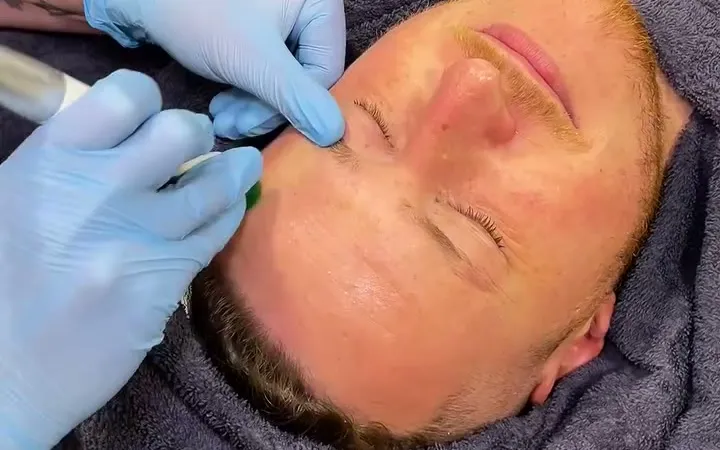
From £220SkinPen Precision microneedling speeds surface renewal and supports a more even tone, and it works without the heat that can aggravate pigment. It is usually planned as a course of 3 sessions, with your home skincare doing quiet work in between.
See treatment detail →Cosmetic Dermatology
By consultationPigmentation responds to a plan, not a one-off, and this is where the plan is built. Your nurse maps your pigmentation, sets a personalised ZO Skin Health or Noon Skincare programme with daily SPF, and is honest about where a GP or dermatologist should look first.
See treatment detail →FAQ
Common
questions
Can pigmentation be removed permanently?
Sun spots often fade very well and stay away with daily SPF. Melasma is different: it is managed rather than cured, and can return with sunshine or hormonal change. We are honest about this at consultation, because pigmentation treatment succeeds through steady care, not one dramatic session.
Which pigmentation treatment is right for me?
It depends on the type of pigmentation, your skin tone and your history, so every plan begins with a face-to-face consultation and 3D Visage facial analysis. Your nurse then sequences peels, SkinPen microneedling and daily skincare into one paced plan, matched to how your skin handles pigment.
Is pigmentation treatment safe for darker skin tones?
Yes, with the right choices and the right pace. Deeper skin tones make pigment more readily after inflammation, so aggressive treatment can worsen the very thing it targets. Our nurses match peel depth to your skin, pace sessions carefully and anchor everything on daily SPF and gentle home care.
How long does pigmentation take to fade?
Think in months, not weeks. Most patients see early change after 4 to 6 weeks of consistent skincare and their first treatments, with the clearest difference at around 3 to 6 months. Individual results vary, and melasma in particular asks for patience and faithful daily SPF.
Why is daily SPF so important for pigmentation?
Because sunlight is the accelerator. Ultraviolet light tells pigment cells to make more melanin, so every unprotected day quietly undoes the work your treatments and skincare have put in. A broad-spectrum SPF worn daily, all year round, is the single most effective pigmentation treatment there is.
Related Concerns


Get Started
Ready to begin?
Book today.
Perfectus Derma Aesthetics • 111 Charing Cross Road, London WC2H 0DT
BookAppointments typically available within 1–2 weeks